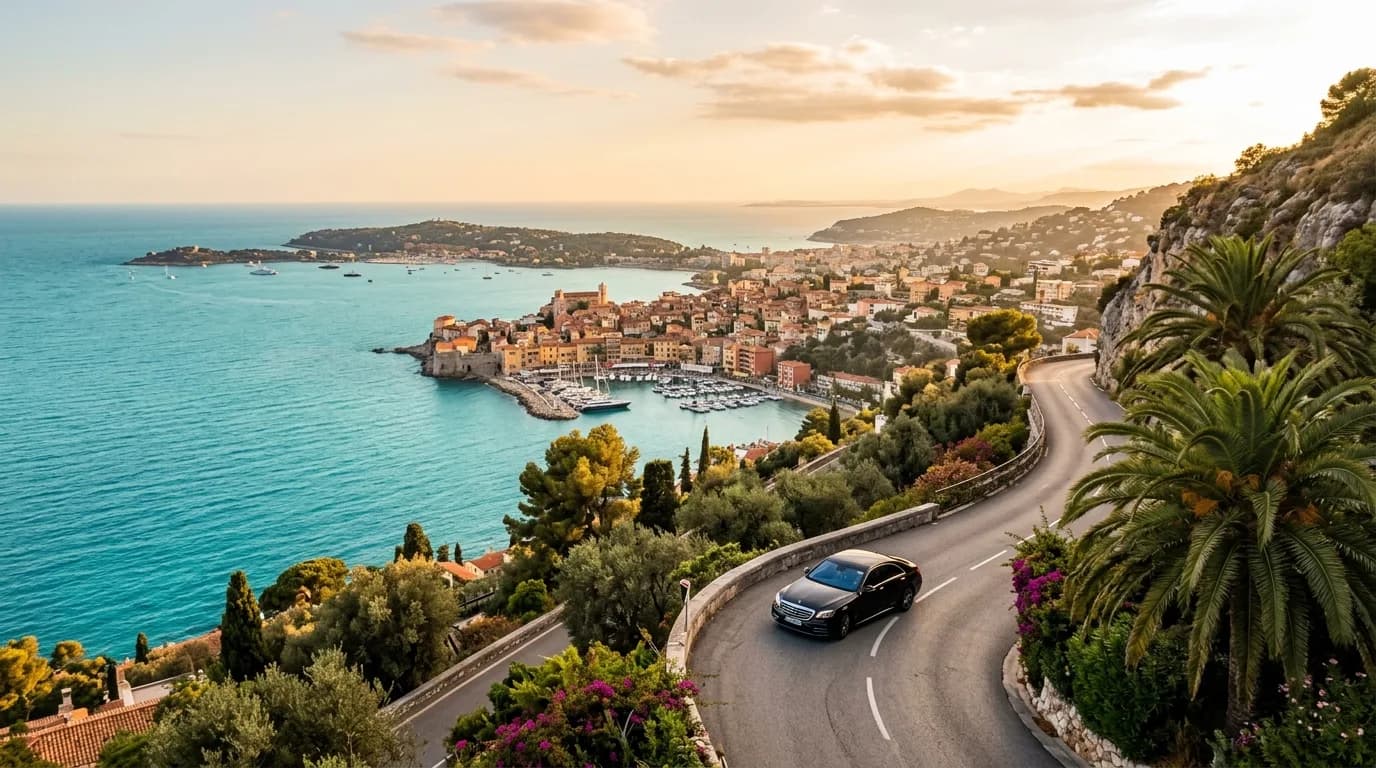
How to Plan a French Riviera Trip
How to plan a French Riviera trip — where to base yourself, how long to stay, getting around and what to see.
The French Riviera packs a great deal into a small stretch of coast, which makes planning half the pleasure. Where you base yourself, how long you stay and how you get around all shape the trip. Here is a practical framework for planning a French Riviera visit.
Where to base yourself
Nice is the natural base for most: central, well connected, with its airport, its old town and easy reach of the whole coast. Cannes suits those after glamour and the western Riviera; Monaco for luxury and the east; and a villa or a village like Èze or Saint-Paul for something quieter.
Many trips work best from a single base, using day trips rather than moving hotels.
- Nice — central and best connected
- Cannes — glamour and the west
- Monaco — luxury and the east
- A villa or village for quiet
How long to stay
Three days is enough for the headline sights — Nice, Monaco and Èze, perhaps Cannes. Five to seven days lets you add Saint-Tropez, the perched villages, the gardens and a slower pace. A well-planned three-day itinerary is a good starting point to build on.
The coast is compact, so even a short trip covers a lot with the right planning.
- Three days for the headline sights
- Five to seven for a fuller trip
- Day trips from a single base
- A compact coast, easily covered
Getting around
Most visitors fly into Nice and get around by a mix of walking, the tram in Nice, and a private chauffeur for the coast and the hills. A chauffeur turns scattered sights — the villages, Monaco, the corniches — into easy days without parking or timetables.
For how the options compare, our guide on chauffeur, taxi and rental car goes into detail.
- Fly into Nice Côte d'Azur
- Walk and tram within Nice
- A chauffeur for the coast and hills
- No parking or timetables to manage
What to see and do
Build the trip around the highlights: Nice's old town and Promenade, Monaco and its Rock, the perched village of Èze, glamorous Cannes, and, with more time, Saint-Tropez and the villages of the hinterland. Space them so each day has a focus, with time to linger.
A private chauffeur or a private tour ties them into relaxed, well-paced days.
When to go
Late spring and September offer the best balance of weather and calm, summer the beaches, and winter quiet and value. Our guide on the best time to visit breaks the seasons down in detail.
Match the season to what you want, and the rest of the plan follows.
Frequently asked questions
How many days do you need on the French Riviera?
Three days covers the headline sights like Nice, Monaco and Èze; five to seven lets you add Saint-Tropez, the villages and a slower pace.
Where should I base myself on the Riviera?
Nice is the best all-round base — central, well connected and close to everything; Cannes and Monaco suit the west and east respectively.
What is the best way to get around the Riviera?
Fly into Nice and use a mix of walking, the tram and a private chauffeur, which links the villages, Monaco and the corniches with ease.
Do I need a car on the French Riviera?
Not necessarily. Many visitors rely on a chauffeur for the coast and hills, avoiding the scarce, costly parking in the towns.
Ready to book your private driver on the French Riviera?
Tell us your route, dates and preferred service and we will recommend the right vehicle and booking format for your stay.
Continue planning your Riviera journey
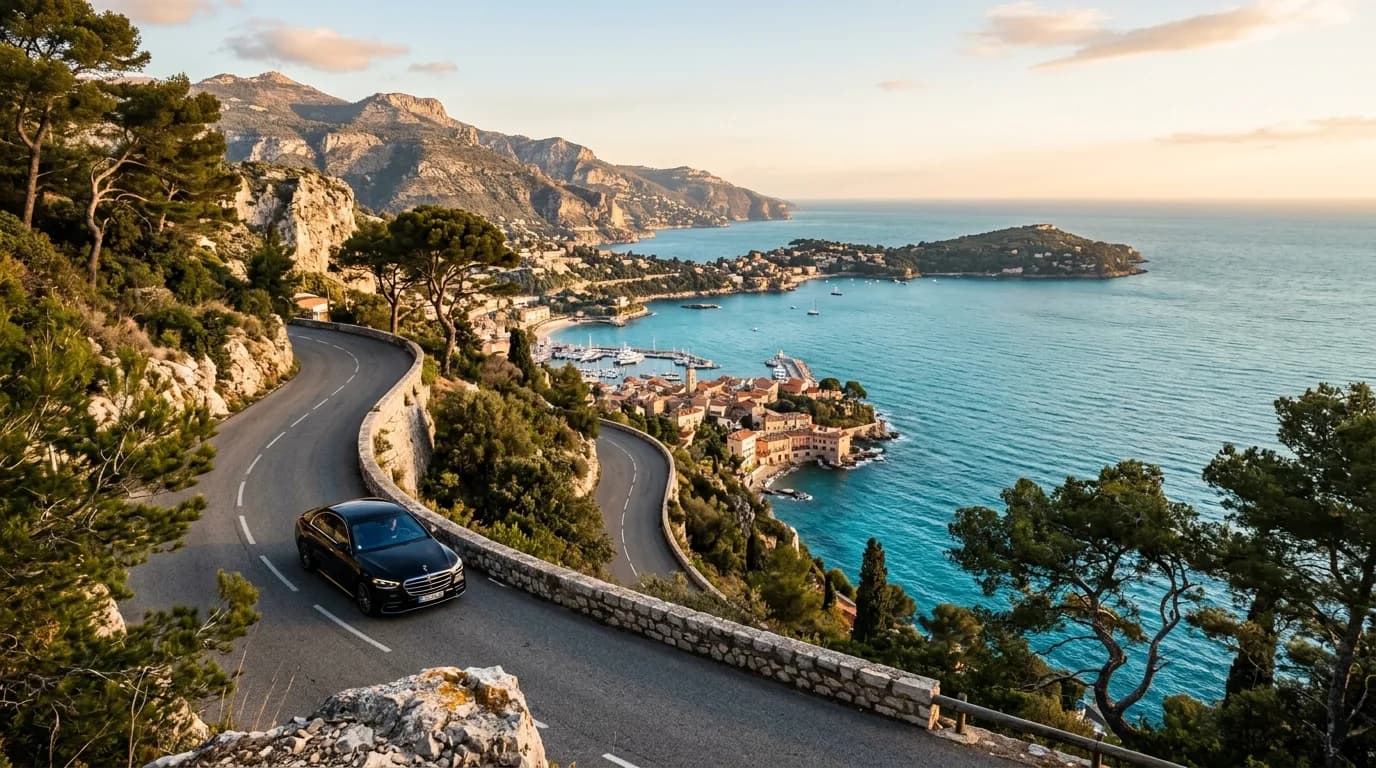
French Riviera: A 3-Day Itinerary
Nice, Èze and Monaco, then Cannes and Antibes, then the villages — a perfect 3-day French Riviera itinerary by chauffeur.
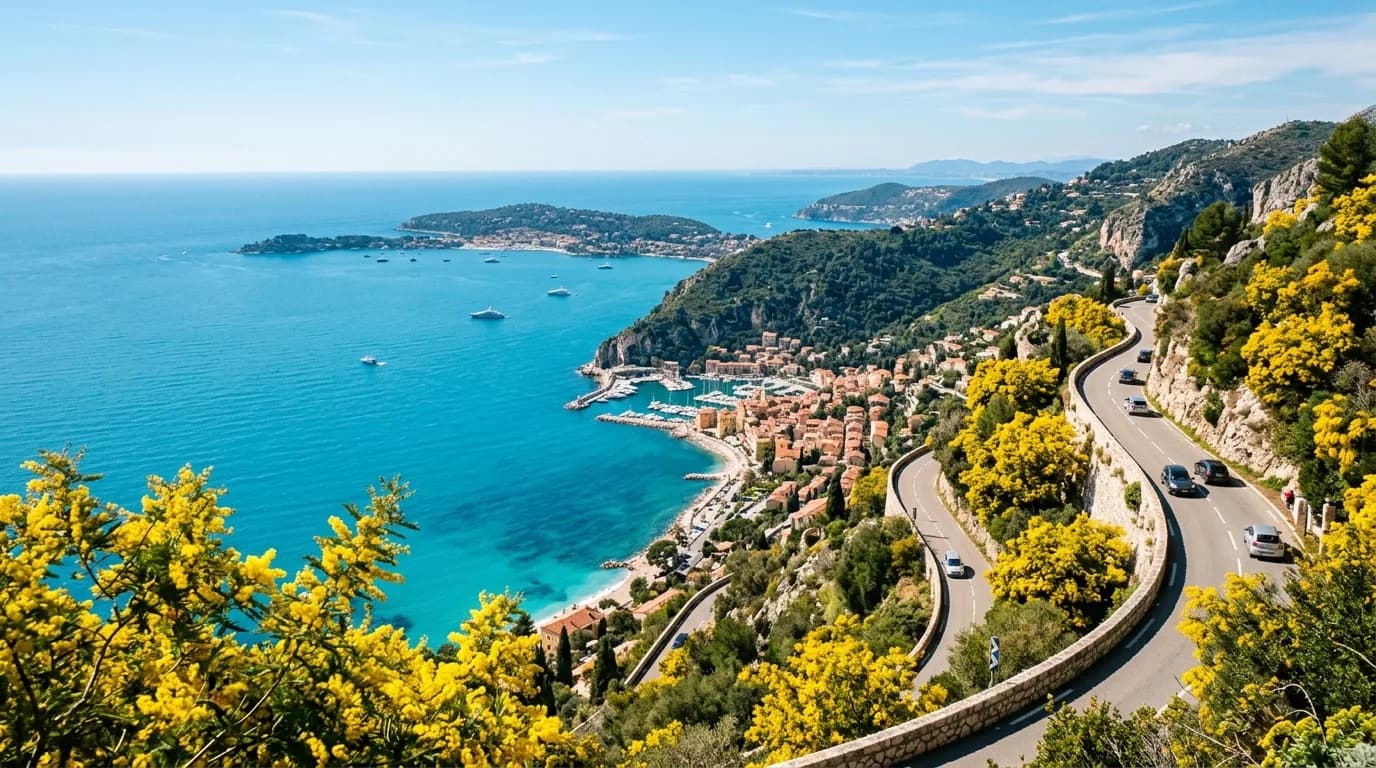
Best Time to Visit the French Riviera
A season-by-season guide to weather, crowds and events — the best time to visit the French Riviera.
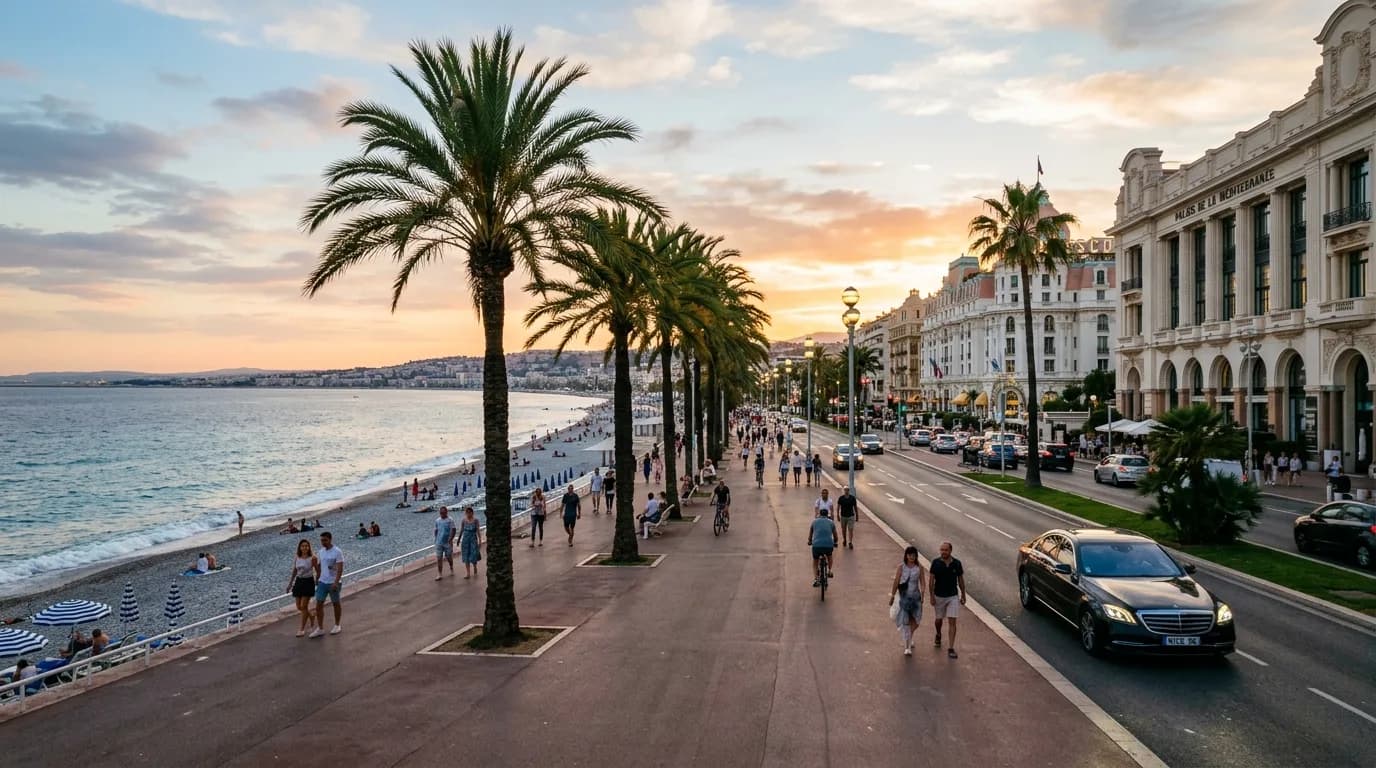
Best Things to Do in Nice
From the Promenade des Anglais to Old Nice and Castle Hill, the best things to do in the Riviera's capital.